01
Does Your Remodel Actually Require New Wiring?
exposed wall framingcode compliance
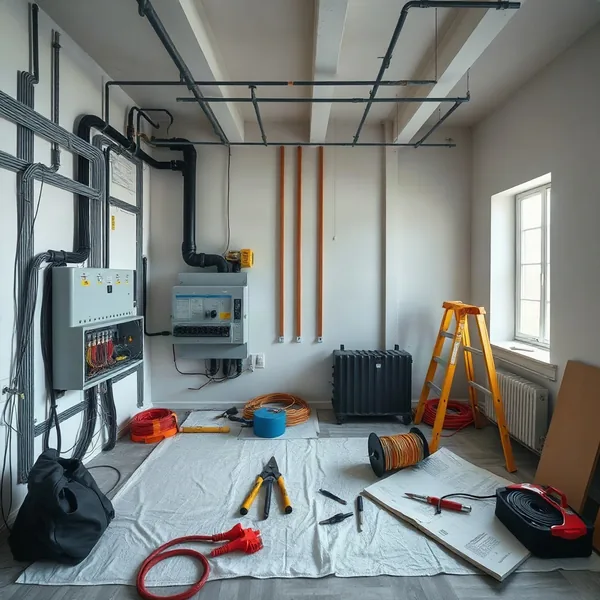
Yes — once exposed wall framing is visible, Oklahoma's adoption of the NEC typically requires that any wiring in the open cavities meet current code compliance standards before walls close again.
This isn't optional. If a city inspector finds aluminum branch-circuit wiring, ungrounded conductors, or cloth-insulated cables behind an open wall, upgrading them becomes mandatory, not elective. For most Lawton homes built before 1975, that means replacing at least the affected circuits. Even partial remodels that touch as little as one room can trigger this requirement if existing wiring in that area is substandard. Getting an electrician's assessment before demolition typically takes less than two hours and saves weeks of rework later.
02
How Home Electrical Wiring Works During a Remodel
rough-in stagefinal inspectiontrim-out
Home electrical wiring during a remodel moves through three distinct stages, and skipping any one of them creates problems.
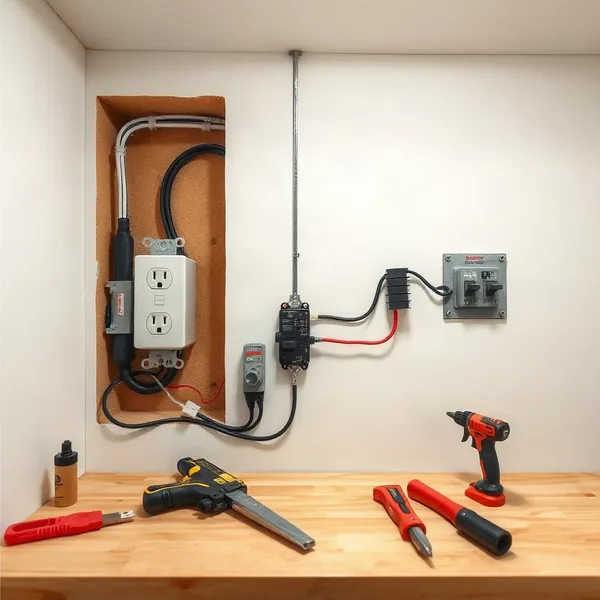
The rough-in stage comes first — with walls open, the electrician runs new cables, sets boxes, and routes circuits to the panel without making final connections. That work then sits until a city inspector signs off during the scheduled rough-in inspection, which typically takes one to three business days to arrange in Lawton. Only after inspection approval does drywall go up. Once finishing is complete, the electrician returns for trim-out: installing outlets, switches, and fixtures, then energizing and testing each circuit. Most single-room remodel wiring projects take four to seven days total from rough-in to final trim.
03
Do Houses Need Rewiring Before a Kitchen or Bath Remodel?
GFCI requirementcircuit load
A kitchen or bath remodel almost always triggers at least partial rewiring, and often requires it before walls close.
Kitchens demand a minimum of two dedicated 20-amp small-appliance circuits under NEC 210.11, and any wet area — sink, dishwasher, countertop — needs GFCI protection within six feet of a water source. That GFCI requirement alone forces circuit upgrades in older Lawton homes that never had them. Bathrooms require at least one dedicated 20-amp circuit and GFCI-protected outlets throughout. Beyond protection requirements, circuit load is the other driver: adding a modern range hood, dishwasher, or over-the-range microwave to an already-loaded panel can expose undersized wiring. Kitchen-specific rewiring in Lawton generally runs $1,500 to $4,500 depending on circuit count.
04
Is Rewiring Necessary for Your Whole Remodel Project?
partial rewirepanel capacity
For a full gut remodel where every room opens to the studs, a complete rewire almost always makes financial sense.
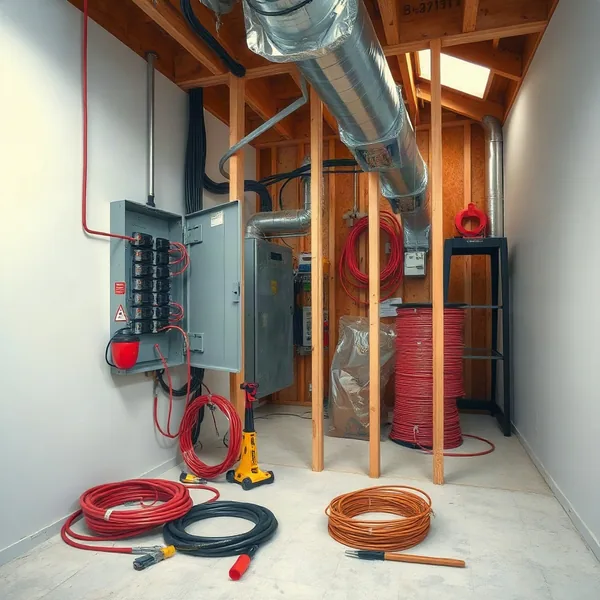
The real cost driver in any electrical project is labor — and with walls already stripped, the incremental expense to replace all wiring is far smaller than returning later to open finished drywall. Panel capacity is the first thing a remodel electrician evaluates on a whole-home project: a 100-amp panel rarely supports a modern kitchen, two bathrooms, HVAC, and EV charging simultaneously. A partial rewire targeting only the opened rooms can work when the rest of the home's wiring is sound and panel amperage is 200 amps. Full-home rewiring during a complete remodel in Lawton typically ranges from $8,000 to $18,000 for a 1,500–2,500 sq ft home.
05
Finding a Remodel Electrician Near You in Lawton
Lawton permitting officelicensed electrician
A qualified remodel electrician in Lawton should be able to name the local inspectors by name — that's how familiar they need to be with the Lawton permitting office process.
Permit fees through the City of Lawton building department typically run $75 to $200 depending on project scope, and any licensed electrician you hire should pull that permit before touching a single wire. Oklahoma law requires an active CIB electrical license, which you can verify online in under two minutes. When comparing quotes, ask for separate line items covering rough-in labor, materials, permit costs, and final trim. Never hire anyone who suggests skipping the permit — unpermitted remodel work can void homeowner's insurance and create serious issues at resale.