01
What Is Cloth Wiring Called, and Why Does It Fail?
fabric-insulated wirebraided cloth jacket
Cloth wiring is the informal name for fabric-insulated wire — conductors wrapped in a braided cloth jacket, typically cotton or rayon, that was standard in homes built between roughly 1880 and 1950.
The insulation itself isn't the only problem; the rubber layer beneath the fabric-insulated wire hardens and cracks over decades through a process called insulation degradation. Once that rubber fails, bare copper is exposed inside your walls. The cloth-covered conductors then become a direct fire hazard — especially in enclosed spaces like wall cavities and junction boxes where heat has nowhere to go. The National Fire Protection Association links a measurable share of residential electrical fires to wiring that is 40-plus years old, and Lawton homes in that age bracket deserve a closer look.
02
How Do You Repair or Replace Cloth Wiring?
wire splicingconduit sleeving
The first question an electrician asks is whether the damage is isolated or widespread — because that single answer drives the entire repair-versus-replacement decision.
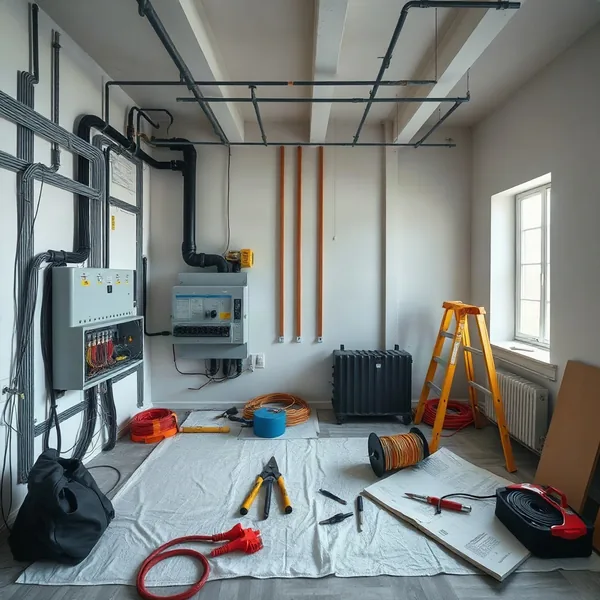
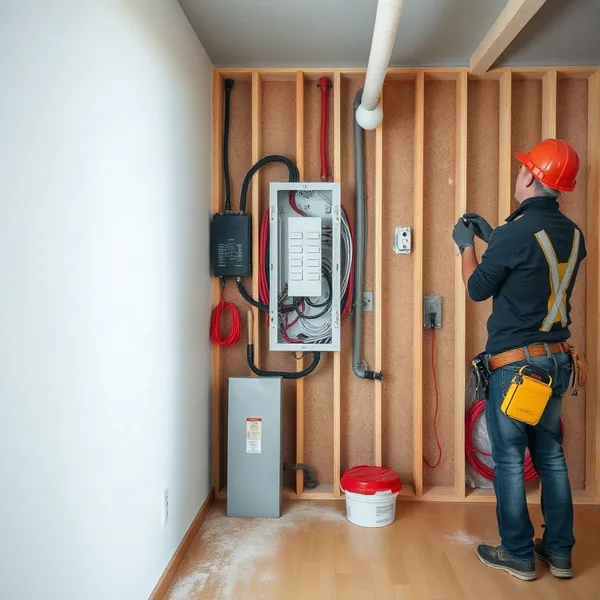
Wire splicing inside an approved junction box is code-compliant when the original conductor is still structurally sound and only a short segment is damaged; it typically costs $150–$500 per circuit for that kind of targeted fix. Conduit sleeving can protect brittle runs in accessible areas like basements or attics, adding a second layer of defense without opening finished walls. When deterioration is visible in multiple locations, however, patching becomes a temporary measure at best. Full replacement — pulling new cable through the home — is usually the safer and more cost-effective long-term answer, and it's the work most Lawton electricians recommend once they see crumbling insulation across more than one circuit.
03
Cloth Wiring vs. Romex: What's the Real Difference?
PVC insulationRomex NM cable
The core difference between cloth wiring and Romex NM cable comes down to how each protects the copper inside.
Romex NM cable wraps individual THHN conductors in a durable PVC insulation layer and then bundles them inside a tough outer sheath rated to last 40–70 years. Cloth wiring, by contrast, relies on rubber and fabric — both of which absorb moisture, oxidize, and become brittle within 30–50 years. Romex also includes a bare ground wire, something most original cloth installations simply didn't have, which means older circuits can't support modern GFCI outlets or three-prong plugs without additional work. From a pure safety standpoint, cloth wiring vs. Romex NM cable isn't a close call — PVC insulation resists heat, moisture, and physical damage in ways that a braided cloth jacket never could.
04
How to Spot a Cloth Wiring Harness in Your Attic or Walls
braided insulationbrittle wire jacket
You can identify a cloth wiring harness in about five minutes if you know what to look for.
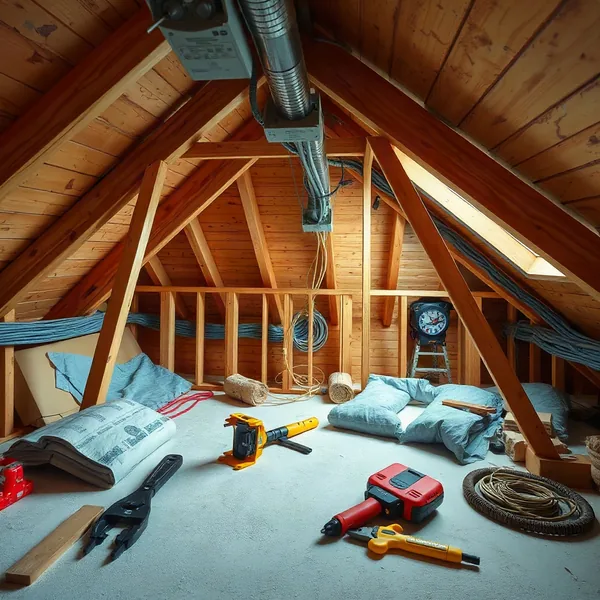
Head to your attic or unfinished basement and look for wiring with a woven, textile-like outer surface — braided insulation that appears gray, black, or tan rather than the smooth white or yellow sheath of modern cable. Press a finger gently against the wire; if the brittle wire jacket flakes or feels stiff and crumbly, that's a strong sign the insulation has passed its usable life. In attics, ceramic knobs stapled to joists and ceramic tubes at framing penetrations confirm the classic knob-and-tube configuration. Any Lawton home built before 1955 that hasn't been professionally rewired should be inspected by a licensed electrician before any renovation work compresses or disturbs that aging insulation further.
05
Is Cloth Wiring Covered by Homeowners Insurance?
insurance inspectionelectrical hazard report
Many Lawton homeowners are surprised to learn their policy is at risk — not their claim.
Insurance companies increasingly flag cloth wiring during an insurance inspection and either raise premiums, add exclusions, or decline renewal altogether. An electrical hazard report from your insurer typically gives you 30–60 days to provide proof of remediation before the policy lapses. Standard homeowners policies in Oklahoma often exclude fire damage when the cause is traced to known aging wiring that was never addressed. Beyond insurance, retaining cloth wiring without upgrading it can also complicate a home sale, since buyers' lenders and home inspectors routinely flag it. Pulling a permit for the replacement work creates a documented record that the electrical system meets current standards — which is exactly what underwriters and future buyers want to see.