01
How Electric Heating Fits Into Your Home's Electrical System
Electric heating isn't a standalone appliance — it's a load-bearing part of your home's residential electrical system.
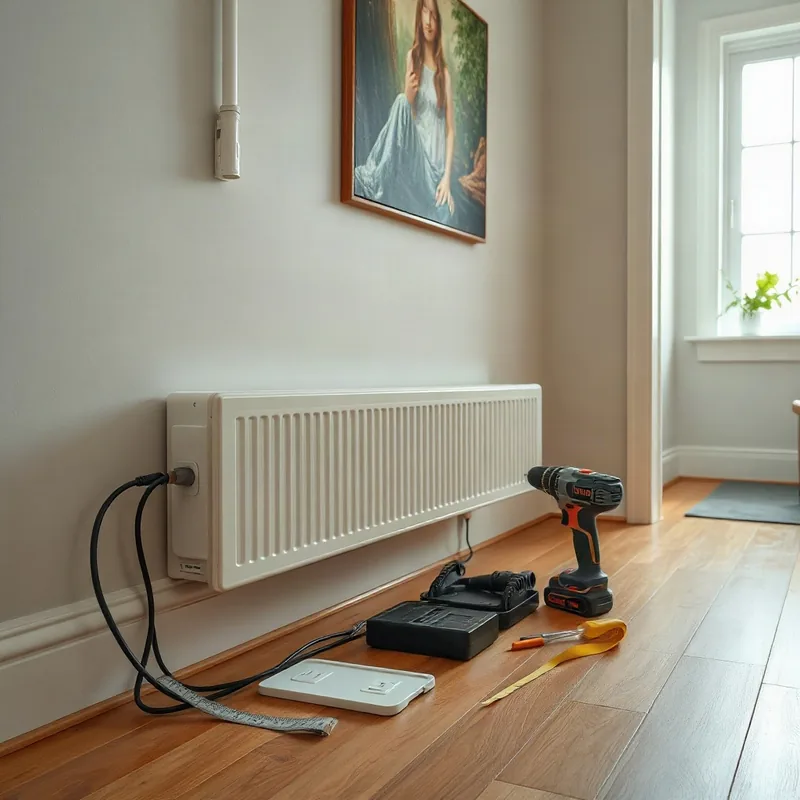
Baseboard heaters, electric furnaces, and radiant floor systems all draw significant amperage, often requiring dedicated 240-volt circuits. Adding or replacing heating equipment without evaluating your panel's capacity first can lead to tripped breakers, overloaded wiring, or fire hazards. A licensed electrician reviews your panel, checks existing circuit ratings, and ensures any new heating load integrates safely with everything else already running in your home.
02
Common Electric Heating Problems Lawton Homeowners Report
The calls we route most often in Lawton involve heaters that run but produce no warmth, units that trip a 20-amp breaker within minutes of startup, and thermostats that respond intermittently or not at all.
Burned-out heating elements are the single most frequent diagnosis — they typically cost $50 to $200 to replace, parts included. Wiring faults inside the heater housing are less common but take longer to trace and fix. Any scorch marks or burning smell near a baseboard unit should be treated as an urgent safety issue, not a convenience call.
03
What a Professional Electric Heating Inspection Covers
A thorough inspection goes beyond checking whether the heater turns on.
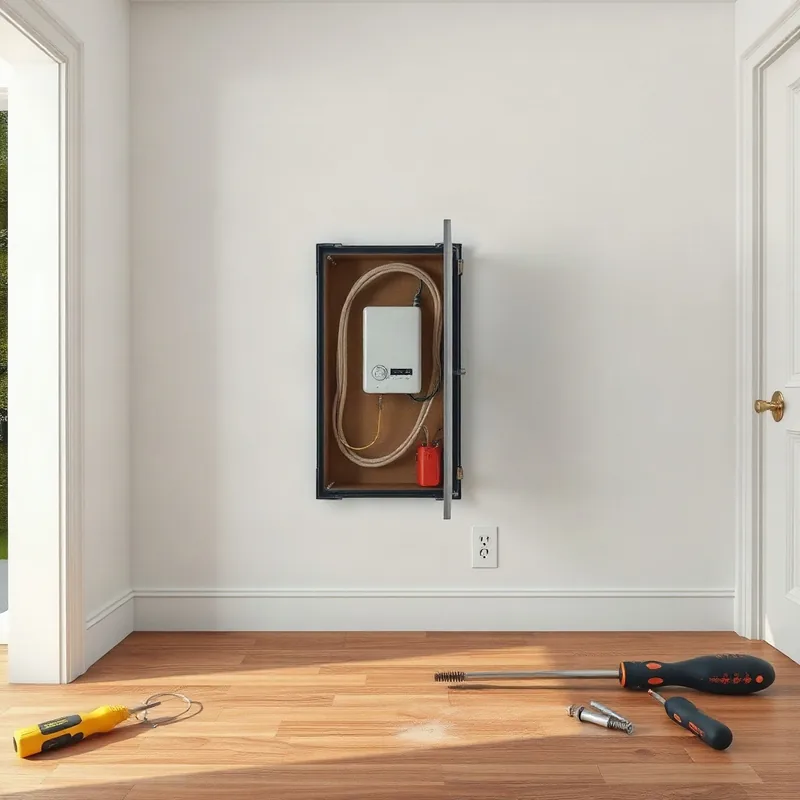
The electrician tests element resistance with a multimeter, inspects the junction box for loose or corroded connections, verifies the thermostat is calibrated correctly, and checks that the dedicated circuit's breaker rating matches the heater's nameplate amperage. In Lawton's older neighborhoods — many with homes built in the 1960s and 70s — aluminum branch wiring is occasionally present and requires specific termination methods when connecting to heating equipment. Catching that detail during an inspection prevents failures down the road.
04
Electric Heating Options for Lawton Homes
Homeowners in the 73501, 73505, and 73507 ZIP codes typically choose from three systems: electric baseboard heaters (easiest to install in individual rooms, averaging $200–$500 per unit with labor), electric furnaces paired with duct systems (best for whole-home coverage, $1,500–$3,500 installed), and radiant floor heating (ideal for bathrooms and additions, $8–$15 per square foot). Each option has different panel demands and installation timelines. The right choice depends on your existing wiring, how many rooms need coverage, and how the space is used day to day.
05
Panel Capacity and Electric Heating Upgrades
Electric heating draws more continuous current than almost any other residential load.
A single 2,000-watt baseboard heater pulls about 8.3 amps on a 240-volt circuit. Run several of those simultaneously on an older 100-amp panel and you're likely to have problems. Many Lawton homes upgraded to 150- or 200-amp service when central air conditioning was added, which helps — but the electrician still needs to confirm available breaker slots and total panel load before adding heating circuits. A 200-amp panel upgrade runs $1,500–$2,500 in this area if one turns out to be necessary.