01
What Is Recessed Lighting Installation?
can lighthousingtrim
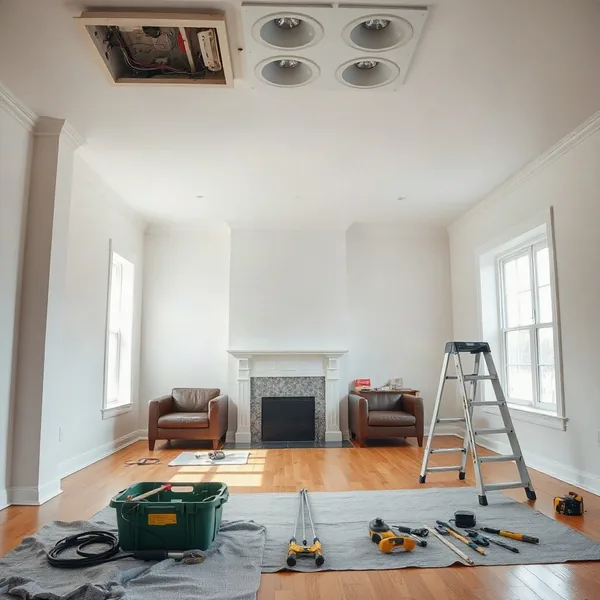
Recessed lighting installation means mounting light fixtures flush inside a ceiling cavity so only the trim and lens face you from below — no bulky pendant or surface-mount box.
Each unit has three core parts: the recessed housing, which holds the electrical components inside the ceiling; the can light body that sits within the housing; and the trim kit, a decorative ring that finishes the opening from the room side. A standard single-room project in Lawton might involve 6 to 8 fixtures. Because the wiring and housing are hidden above the ceiling plane, the finished look is clean and modern without sacrificing light output.
02
How Much Does Recessed Lighting Cost in Lawton?
cost per lightlabor
Recessed lighting installation cost in Lawton typically runs $100 to $200 per can light, labor included.
That puts the recessed lighting cost for a 6-light living room between $600 and $1,200 before any new circuit work. Pot light installation cost lands in the same range since the term refers to the same fixture type. If you're adding a brand-new dedicated circuit, budget an extra $200 to $400. The cost to add recessed lighting rises when ceilings exceed 9 feet or attic access is limited. Always ask your electrician for an itemized quote listing cost per light, labor rate, and material allowances separately.
03
Is Recessed Lighting Installation Hard or Something I Can DIY?
drywall cuttingwiring
Can lighting installation is moderately difficult and becomes genuinely risky without electrical experience.
Drywall cutting sounds simple, but hitting a joist by even half an inch forces you to reposition the entire housing and patch the ceiling. Wiring is the bigger hazard — fishing cable through a finished ceiling without attic access can take a skilled electrician 45 minutes per run; an inexperienced homeowner might spend hours and still leave connections loose. Lawton's local electrical code requires all junction box connections to be accessible, and improper wiring can void your homeowner's insurance. For anything beyond swapping an existing fixture, licensed help is the safer call.
04
Adding Recessed Lighting to an Existing Ceiling
insulationceiling type
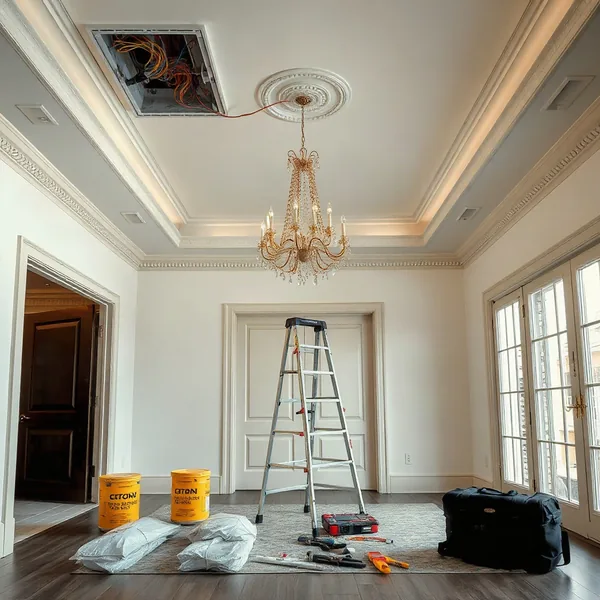
Adding recessed lighting to a finished ceiling is the most common request Lawton electricians handle, and the ceiling type determines almost everything.
If insulation sits above the drywall — which it does in most Lawton attics — the electrician must install an IC-rated housing that's approved for direct insulation contact. Using a non-IC fixture in an insulated ceiling is a fire code violation. For plaster ceilings common in pre-1970 Lawton homes, cutting is slower and messier than cutting drywall. The cost to install can lights in an existing ceiling averages $30 to $50 more per fixture than new construction because the electrician must fish wire rather than staple it to open framing.
05
Pot Lights vs Can Lights: What's the Difference?
pot lightcan light
Pot light installation and can light installation describe the exact same product — the terms are used interchangeably across North America, with 'pot light' more common in Canada and 'can light' the standard term in Oklahoma and most of the U.S. South. Beyond terminology, the meaningful distinction for homeowners is retrofit versus new-construction fixtures. A retrofit can slides through an existing ceiling hole and clips to the drywall from below — ideal for finished rooms. A new-construction can attaches directly to ceiling joists before drywall goes up. Retrofit models typically cost $15 to $40 less per fixture but require a ceiling that's already drywalled and painted.
06
Recessed Ceiling Lights for Kitchens and Living Rooms
kitchen lightingliving room lighting
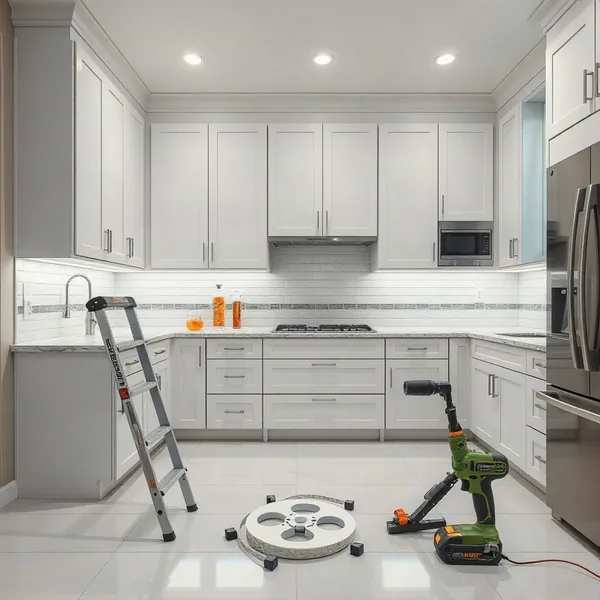
Recessed ceiling lights installation is most in demand in kitchens and living rooms because both spaces need layered, even light without visual clutter.
Kitchen lighting benefits from fixtures spaced 4 feet apart over counters and cooking surfaces, targeting 50 lumens per square foot for task areas. Living room lighting calls for a wider 5- to 6-foot spacing at 20 lumens per square foot for ambient comfort. A licensed Lawton electrician will lay out a lighting plan before cutting a single hole, confirming joist direction, switch placement, and dimmer compatibility. Most 12-by-14-foot rooms take a full day to wire, cut, and finish when starting from an unlit ceiling.