
Why You Might Need to Replace an Old Fuse Box
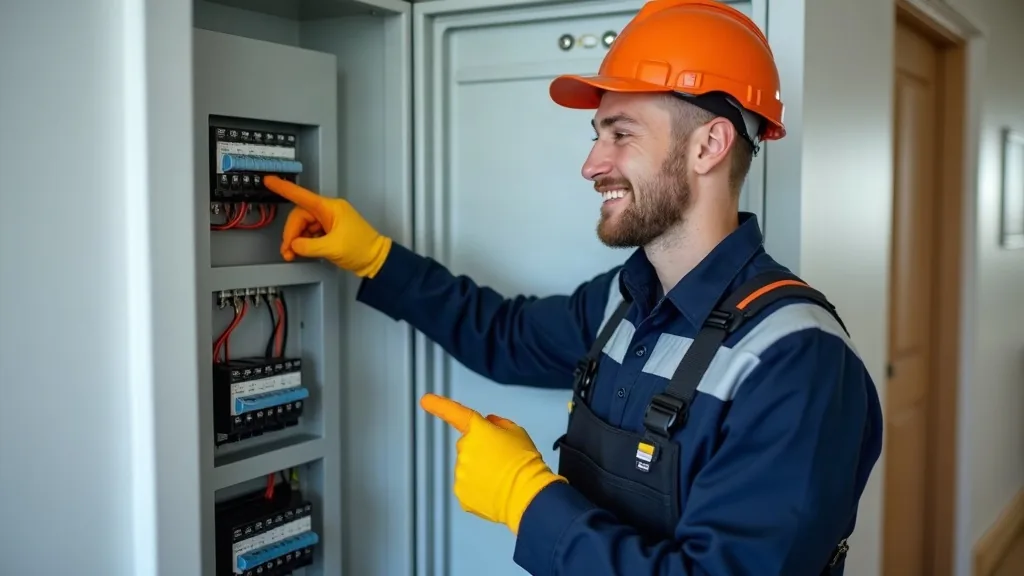
If your home still has an old fuse box tucked away in the utility room or garage, you may have wondered whether it's still up to the job. Understanding why replace fuse box systems becomes necessary is something many homeowners in Lawton eventually face, especially as electrical demand in modern homes continues to grow. The good news is that once you know what to look for, the decision becomes a lot clearer.
A fuse box served its purpose well for decades, but today's households run far more appliances, devices, and systems than homes were originally wired to handle. When an older fuse box can't keep pace, the risks go beyond occasional inconvenience — they can include fire hazards and damaged electronics. This article explains exactly what a fuse box does, how to tell when it's past its prime, and why so many homeowners choose a full replacement rather than patching the problem repeatedly.
What Is a Fuse Box and How Does It Work?
The purpose of a fuse box is to control and protect the electrical circuits running throughout your home. It acts as the central distribution point where electricity coming in from the utility supply is divided into individual circuits — one for the kitchen, one for the upstairs bedrooms, one for the garage, and so on. Each circuit is protected by a fuse, which is a small component containing a thin wire designed to melt and break the circuit if too much current flows through it.
Understanding how a fuse box works helps explain both its value and its limitations. When a fuse blows, it means the circuit has been protected from overheating or a short circuit. You then need to identify the cause and replace the fuse before power is restored. This manual process worked reliably for many years, but it also means that someone has to physically intervene every time there's a fault. Modern circuit breakers, by contrast, simply trip and can be reset with a switch — a significant convenience advantage.
A fuse box is also rated for a certain total load, typically measured in amps. Older boxes were often installed when the average home used far less electricity. Today, with electric vehicles, smart home technology, heat pumps, and multiple large appliances all potentially running at once, many older fuse boxes are simply not rated for the demand placed on them.
Why Replace a Fuse Box? Signs Yours May Be Outdated or Unsafe
There are several clear warning signs that a fuse box is no longer safe or sufficient for your home. The most obvious is frequently blown fuses — if you're replacing fuses regularly, it usually means circuits are being overloaded, not that you're using too many appliances. Flickering lights, burning smells near the fuse box, discolouration around fuse holders, or a box that feels warm to the touch are all serious indicators that something is wrong and needs professional attention.
Is a fuse box always dangerous just because it's old? Not necessarily, but age significantly increases the risk. Many fuse boxes installed before the 1980s used wiring materials and fuse ratings that don't meet current safety standards. Some older systems used ceramic fuses that could be replaced with incorrectly rated alternatives by previous owners — a dangerous shortcut that removes the protection the fuse is meant to provide. If your home has a fuse box with rewirable fuses or a system showing signs of corrosion or poor previous workmanship, the risks are real.
Another common trigger for replacement is a home renovation or the addition of a new high-demand appliance like an electric oven, EV charger, or hot tub. These additions often require a dedicated circuit, and an old fuse box may not have the capacity or the correct type of protection to support them safely. In these situations, an Electrical Panel Upgrade is often the most practical and cost-effective solution rather than continuing to work around the limitations of aging equipment.
Why Homeowners Choose Replacement Over Repeated Repairs
The cost of fuse box repair can seem appealing in the short term — replacing a blown fuse or fixing a single fault is typically inexpensive. However, if the same issues keep recurring, or if the box itself is corroded, undersized, or incompatible with modern protective devices such as RCDs (residual current devices), repeated repairs simply delay the inevitable. Each repair call adds up, and none of them address the root cause: the system as a whole is no longer fit for purpose.
A full replacement with a modern consumer unit brings immediate and lasting benefits. Modern units accommodate circuit breakers that can be reset instantly, RCD protection that can detect dangerous current leakage and cut power in milliseconds, and the capacity to support the electrical demands of a contemporary household. Homeowners also find that a modern panel can improve their property's value and make it easier to get home insurance, as some insurers view old fuse boxes as a higher risk. Opting for a Fuse Box Replacement is not just about safety — it's a sensible long-term investment in the reliability of your home's electrical system.
Who replaces fuse boxes? This work must be carried out by a qualified, registered electrician. It is not a DIY job. The installation must comply with current wiring regulations and, in most cases, will require a building regulations notification and an electrical installation certificate upon completion. Choosing a local, experienced electrician ensures the work is done correctly and that all the necessary documentation is in place.
Frequently Asked Questions
Need Help? Contact Lawton Electricians
Local pros are available in Lawton — get a quote today