What Is a Panel Upgrade and Do You Actually Need One?
If you've been noticing flickering lights, tripped breakers, or struggling to run multiple appliances at once, you may have heard the term 'panel upgrade' thrown around. But what is a panel upgrade, exactly, and is it something your home actually needs? These are fair questions, and the answers can save you from unnecessary expenses — or help you avoid a genuine safety hazard. In this post, the pro will break it all down in plain language so you can make an informed decision about your home's electrical system.
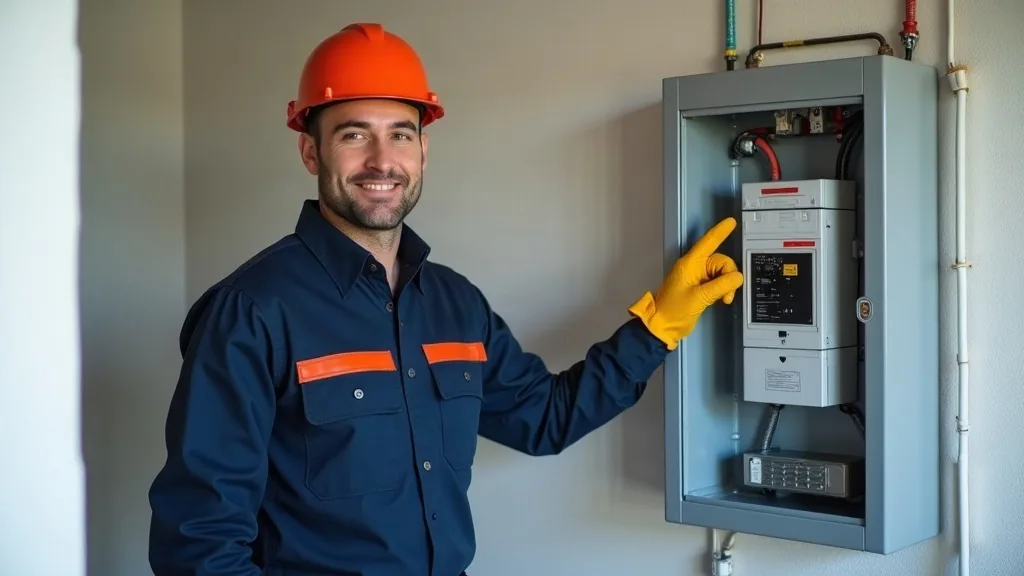
Your electrical panel, sometimes called a breaker box or load center, is the central hub that distributes power throughout your home. Over time, panels can become outdated, undersized, or simply unsafe — especially in older homes that weren't designed to handle today's electrical demands. A panel upgrade replaces that outdated equipment with a modern unit that can safely support your current and future power needs.
Whether you're a homeowner in Lawton dealing with an aging system or simply curious about what the upgrade process involves, this guide covers the warning signs to watch for, what the process looks like, and how much you can expect to pay.
What Is a Panel Upgrade and What Does It Involve?
A panel upgrade — sometimes called a service panel upgrade or electrical panel replacement — is the process of removing your existing electrical panel and replacing it with a new one that has a higher amperage capacity and modern safety features. Most older homes in Lawton were built with 60-amp or 100-amp panels, while today's standard is 200 amps to accommodate everything from electric vehicle chargers to high-efficiency HVAC systems. If you're ready to make that switch, a professional Electrical Panel Upgrade is the safest and most reliable way to bring your home's power capacity up to modern standards.
The upgrade process typically involves a licensed electrician disconnecting the power supply, removing the old panel, installing the new panel and breakers, and reconnecting all existing circuits. In most cases, this also requires a permit and a final inspection by a local code official to ensure the work meets current safety standards. The entire job usually takes one full day for a standard residential upgrade, though more complex situations may require additional time.
It's important to understand that a panel upgrade isn't just about getting more power — it's also about safety. Older panels may not have the protective features needed to prevent overloads, overheating, or electrical fires. Upgrading gives your home a fresh, code-compliant foundation for all of its electrical needs.
Warning Signs You Actually Need a Panel Upgrade
Not every home needs a panel upgrade right away, but there are clear warning signs that indicate your current system isn't keeping up. If your breakers trip frequently, especially when you run multiple appliances at the same time, that's a strong signal your panel is overloaded. Other red flags include a burning smell near the breaker box, breakers that won't reset, or a panel that feels warm to the touch — all of which point to serious safety concerns that shouldn't be ignored.
One of the most urgent situations is discovering you have a Federal Pacific panel in your home. These panels, manufactured primarily between the 1950s and 1980s, have been linked to breakers that fail to trip during an overload — a critical failure that significantly increases the risk of electrical fires. If your home has one of these, scheduling a Federal Pacific Panel Replacement should be a top priority, not something to put off until next year.
Homeowners who are planning major renovations, adding a home addition, or installing high-demand appliances like a hot tub or EV charger should also seriously consider a panel upgrade. If your panel simply doesn't have the capacity to handle these additions safely, running new circuits without upgrading first can create dangerous overloads throughout your entire system.
Panel Upgrade Price and What Affects the Cost
One of the first questions homeowners ask is: how much does a panel upgrade cost? In general, a residential panel upgrade in the Lawton area ranges from $1,500 to $3,500, depending on the size of the new panel, the complexity of the existing wiring, and whether any additional work is needed to bring the system up to code. Upgrading from a 100-amp to a 200-amp panel is the most common scenario and typically falls in the middle of that range.
Additional costs can arise if your home's wiring is outdated, if the utility company needs to update the meter or service entrance, or if individual breakers need to be replaced during the process. Speaking of which — if only one or two breakers are faulty rather than the entire panel, a Circuit Breaker Replacement may be a more cost-effective solution than a full panel upgrade. A licensed electrician can assess your situation and give you an honest recommendation based on what's actually going on with your system.
It's also worth noting that a panel upgrade is an investment that can increase your home's resale value, lower your homeowner's insurance premiums in some cases, and eliminate the ongoing headaches of an overloaded system. When you weigh those benefits against the upfront cost, most homeowners find the upgrade well worth it.
Frequently Asked Questions
Need Help? Contact Lawton Electricians
Local pros are available in Lawton — get a quote today