
What Counts as an Electrical Code Violation in Your Home?
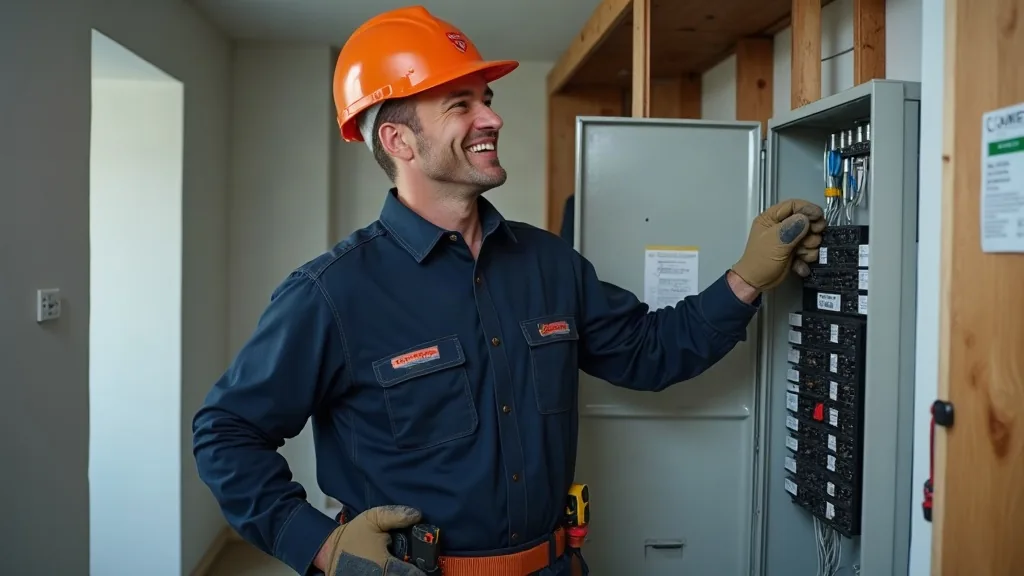
If you have ever wondered what is a code violation when it comes to your home's electrical system, you are not alone. Many homeowners in Lawton discover electrical problems only after buying a house, scheduling a renovation, or dealing with a failed inspection — and by then, the fixes can be costly and stressful. Understanding electrical code violations before that moment arrives puts you in a far stronger position.
Electrical codes exist to protect people and property. The National Electrical Code (NEC), adopted and sometimes amended at the state and local level, sets the minimum safety standards for wiring, outlets, panels, and more. When a home does not meet those standards, it has a code violation — a condition that creates a fire hazard, shock risk, or both.
In this article, you will learn what counts as an electric code violation inside a residential home, which violations inspectors find most often, who has the authority to identify them, and what the process looks like for getting them corrected. Whether you are a long-time homeowner or about to purchase a property, this guide will help you recognize the red flags early.
What Is a Code Violation in Residential Electrical Work?
A code violation is any condition in your home's electrical system that does not comply with the NEC or your local jurisdiction's adopted electrical standards. These violations are not just technicalities — each one represents a documented safety risk. Some are obvious, like exposed wiring in a living space. Others are hidden inside walls, panels, or attic spaces where a homeowner would never think to look.
Common examples of code violations electrical inspectors flag include improperly grounded outlets, missing arc-fault circuit interrupter (AFCI) protection in bedrooms, double-tapped breakers in the service panel, and aluminum wiring connected to devices rated only for copper. Outdated wiring systems such as knob-and-tube or two-wire ungrounded circuits frequently appear in older Lawton homes and are considered code violations electrical teams must address before work passes inspection.
It is also worth noting that codes are updated on a regular cycle. A wiring method that was perfectly legal in 1985 may be a violation today. This is why older homes can accumulate multiple violations without anyone ever performing substandard work — the standards simply changed around them. Knowing which specific items your home's age puts at risk is the first step toward addressing them.
A Practical Code Violation List: What Inspectors Look For Most
If you want a working code violation list to use as a reference, start with the service panel. Inspectors look for overcrowded panels, missing knockouts, double-tapped breakers, and breakers that do not match the wire gauge they protect. These panel issues are among the most common — and most dangerous — electrical code violations found in residential properties.
Beyond the panel, inspectors examine outlet placement and protection. Kitchens, bathrooms, garages, and outdoor areas require ground-fault circuit interrupter (GFCI) outlets under modern code. Bedrooms require AFCI protection. Outlets located within six feet of a water source without GFCI protection are a near-universal find during an Electrical Inspection. Inspectors also check for outlets with no ground wire, reversed polarity, and open junction boxes with no cover plates.
Wiring issues round out the most common findings. Loose connections, improper wire splices made outside of junction boxes, undersized wiring for the circuit load, and damaged insulation all qualify as code violations electrical professionals are trained to spot. Extension cords used as permanent wiring — a habit many homeowners fall into — are also a violation, as is any wiring run through an area where it is subject to physical damage without proper protection.
Who Inspects Electrical Systems and What Happens After a Violation Is Found?
When it comes to who inspects electrical work, there are two distinct scenarios. The first involves a licensed electrical inspector employed by your local municipality. These inspectors review new electrical work or permitted repairs to verify compliance before a project is closed out. Their approval is required to finalize permits, and their findings carry legal weight.
The second scenario involves a licensed master or journeyman electrician who performs a residential safety inspection at a homeowner's request. This is common when people want to understand the condition of their wiring before selling, buying, or renovating. If you are purchasing a property and want a thorough electrical evaluation, scheduling a Pre Purchase Electrical Inspection is one of the smartest investments you can make before closing on a home in Lawton.
Once violations are identified, the path forward is straightforward: hire a licensed electrician to correct the issues. Some repairs are minor, like replacing an ungrounded outlet or adding a cover plate. Others — like rewiring a panel or updating an entire home's grounding system — require more involved work. Either way, prompt Electrical Code Violation Repair restores your home to a safe, compliant condition and eliminates the liability that unresolved violations create, especially during a real estate transaction or insurance claim.
Frequently Asked Questions
Need Help? Contact Lawton Electricians
Local pros are available in Lawton — get a quote today